

Your brand shows up in every pixel.
The time we spend online increases every year. So your digital brand is becoming more and more important to your business. When someone lands on your website, they’re not just browsing—they’re getting a sense of who you are. That first impression? It’s all about the right mix of branding and design. A strong brand shapes trust, familiarity, and connection, and that all needs to come through effortlessly on your website.
In this blog, we’ll break down how branding and web design work together, why it matters, and share some tips, strategies, and real-world examples to help you bring it all into focus.
How does strong branding lead to better business?
Branding is how your business makes its mark. It’s the voice, the vibe, and the feeling people get when they encounter your company—whether on your website, through social media, or even word-of-mouth. It’s the story you tell and promise you keep, shaping how people connect with you.
Here are a few key things to know about the role of branding in your business:
Brand Identity
First impressions start with what people see.
Logos, fonts, and colours grab attention, but branding runs deeper—it’s about the story your business tells.
Brand Consistency
Familiarity breeds trust.
From your website to your social media, every interaction should reflect the same personality through a consistent brand identity. That’s how trust is built.
Emotional Connection
People remember how you make them feel.
People buy from brands they connect with emotionally. Make them feel something, and they’ll stick around.
Touchpoints
Every interaction leaves a trace.
Branding isn’t limited to design—it’s in your tone of voice, customer service, emails, and even how you respond to feedback.
Adaptability
Staying relevant means embracing change.
Your brand today might not look the same in five years—and that’s a good thing. Staying relevant means knowing when to adapt.
Get your branding right, and it becomes more than just recognition—it becomes the reason people choose you over the rest.
What goes into Website Design?
Web development and design shape the way a site looks, feels, and functions. It’s not just about visuals—every element, from structure to content layout, plays a role in creating a cohesive digital experience. Ideally, the web design and development process balances creativity with functionality, ensuring that everything on the site has a purpose and aligns with the brand’s identity.
Below are the key elements that come together to build an effective website:
Content Structure
Defines how content is arranged on each page.
This covers all in-page content, from headers to how sections are divided. Content structure guides visitors and ensures information is easy to find.
Typography
The art of choosing and styling text.
Fonts aren’t just for readability—they contribute to the site’s personality. Typography choices reflect the brand’s tone, whether playful, professional, or modern.
Colour Scheme
A palette that aligns with the brand’s identity.
Colours influence mood and perception, creating a visual connection between the website and the business.
Navigation
The way users move through the site.
Menus, links, and buttons are part of the navigation design of a functional website, ensuring visitors can explore the site efficiently.
Interactive Elements
Features that encourage user interaction.
Forms, clickable icons, and animations fall under this category, making the site more dynamic and engaging.
Website design brings together all these elements to build a functional and visually appealing space where users can interact with a brand’s message.
The Importance of Branding and Web Design
Your brand isn’t just something you showcase on social media or through your logo design—it needs to live on your website, too. Web design is the perfect place for your brand to take shape and connect with visitors, blending aesthetics with functionality. When branding flows naturally into design, it creates a site that isn’t just usable but memorable.
Think of it like choreography: every part of your site, from fonts and colours to layout and content, needs to move in sync with your brand’s identity. Visitors should feel the same vibe from your homepage as they would from an email, social post, or even a physical flyer. A cohesive experience helps them trust that they’re in the right place, no matter how they reach you.
Whether it’s a bold visual identity or a subtle tone of voice, your brand’s personality and promise should shine through. At the same time, good web design ensures that none of this gets in the way of usability—because even the sharpest brand won’t matter if the site is hard to use. When these two elements work together, they build trust, recognition, and lasting connections with your audience.
Benefits of Integrating Branding in Web Design
Bringing branding and web design together creates a seamless experience that offers both functional and emotional value. When done right, the benefits go beyond aesthetics—your website becomes a strategic tool for connection and growth.
Trust and Credibility
A cohesive brand across your site builds confidence, showing visitors they can rely on you.
Recognition
Consistent use of logos, colours, and tone makes your brand instantly recognisable, no matter where visitors encounter it.
Stronger Engagement
A well-branded site creates emotional connections, encouraging visitors to stay longer and explore further.
Improved User Experience
When design aligns with brand values, the site feels intuitive and enjoyable to navigate.
Business Growth
A clear, consistent brand presence turns visitors into loyal customers, driving conversions and boosting retention.
A website that seamlessly integrates branding isn’t just another online presence—it becomes a powerful extension of your brand, delivering both form and function.
How to Combine Effective Branding with Great Web Design
Integrating branding into web design requires attention to detail across multiple areas. It’s not just about placing a logo here or using the right colours there—it’s about creating a unified experience that reflects your brand at every level.
Here are some key ways to bring your brand into your web design:
-
Start with brand guidelines: Ensure your design team knows the fonts, colours, tone, and imagery that define your brand. This keeps everything consistent.
-
Match Visual Elements to Brand Personality: Choose layouts, images, and fonts that reflect the mood and identity of your brand—playful, bold, or refined.
-
Keep Tone and Content Consistent: Make sure the voice on your website matches your social media, emails, and other communications.
-
Design with Your Audience in Mind: Understand what your audience expects from your brand and design the site accordingly.
-
Align UX with Brand Values: If your brand stands for simplicity, the site’s layout and interactions should reflect that. If it’s innovative, the design should feel fresh and engaging.
-
Test and Refine: After launch, gather feedback to ensure the design reflects your brand accurately and make improvements where needed.
When branding is baked into the design from the start, the result is a website that looks, feels, and works exactly as your brand intends.
Website Branding Examples
Seeing how other brands enjoy success by bringing their identity to life through web design can offer inspiration and insight. Here are some examples of websites that seamlessly integrate branding with design:
 Apple
Apple


Minimalist design, clean typography, and ample white space reflect Apple’s focus on innovation and simplicity. Every element is intentional, reinforcing the brand’s identity without distractions.
Airbnb


Friendly, people-centric visuals and conversational copy align with Airbnb’s mission to create a sense of belonging. Their design reflects both functionality and personal connection.
Nike

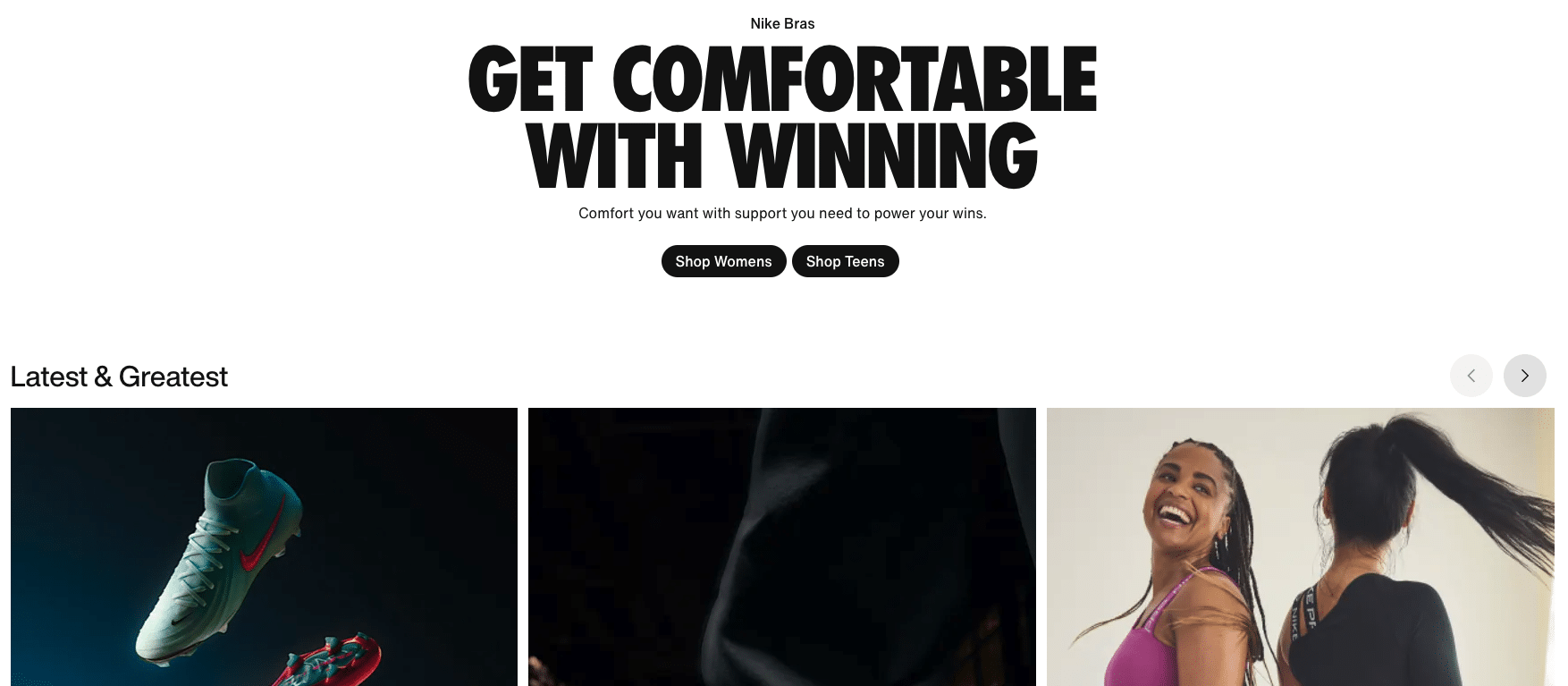
Bold visuals and energetic design mirror Nike’s athletic spirit. From high-quality product images to motivational messaging, every detail reinforces the brand’s dynamic personality.
Slack

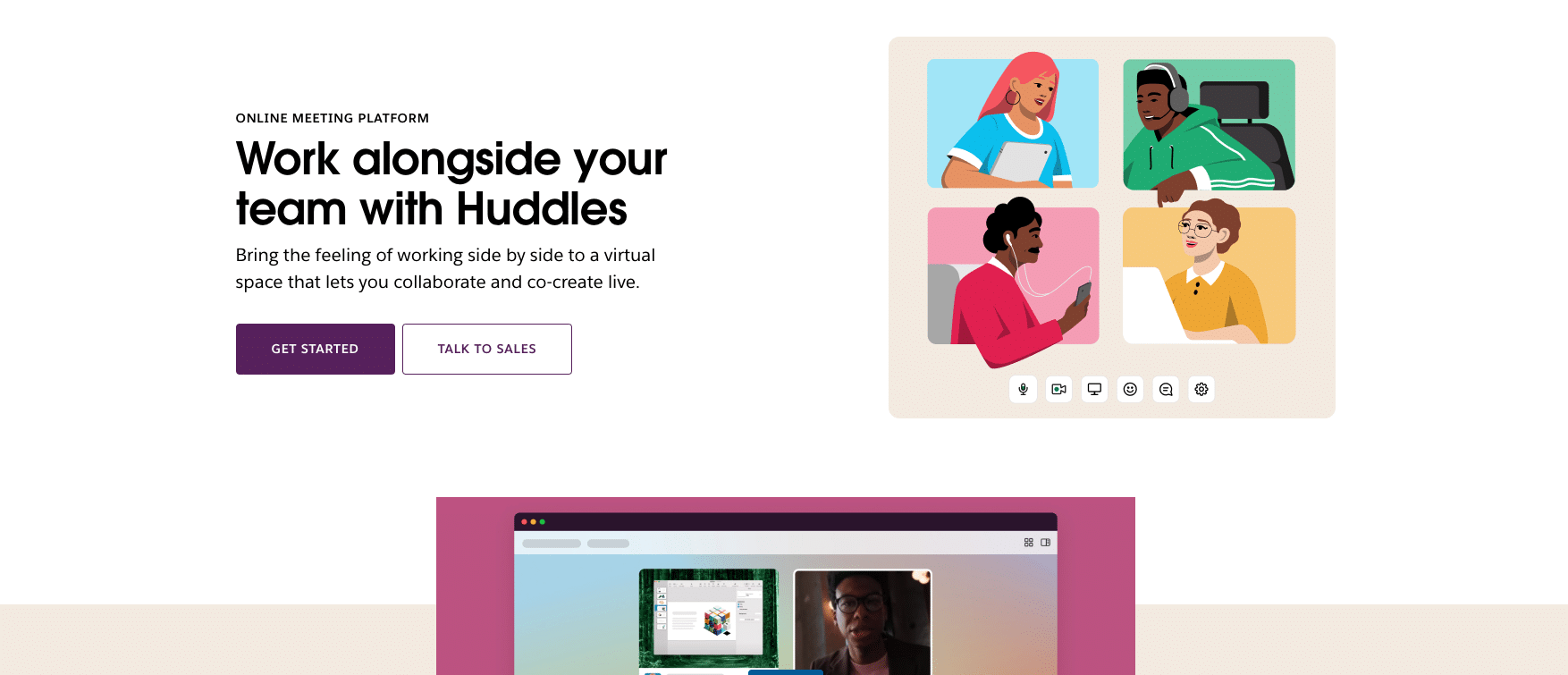
Playful illustrations, bright colours, and approachable messaging reflect Slack’s goal to make work communication enjoyable. Their site design balances professionalism with friendliness.
Tiffany & Co.


The signature “Tiffany Blue” is woven throughout Tiffany’s site, creating instant brand recognition. Elegant typography and luxurious imagery reinforce the brand’s high-end appeal.
These examples show how a brand’s essence can be communicated through web design, creating a cohesive experience that feels authentic and memorable.
Looking for a Web Designer Who Gets Branding Too?
Yes, They Exist.
If you’re searching for a web designer who fully understands the branding process, you’re not alone—and yes, they exist! A designer who knows how to align visuals, messaging, and functionality with your brand identity can make all the difference. Instead of juggling multiple teams for design and branding, you can streamline the process with someone who can do both—and deliver a seamless, cohesive result.
At Spark, we specialise in exactly that. We don’t just build websites for our clients; we create brand experiences. From understanding your brand personality to crafting a design that communicates it effortlessly, we make sure your website doesn’t just look good but also boosts your brand awareness.
When searching for a graphic designer with branding expertise, here’s what to keep in mind:
A Portfolio That Reflects Strong Branding: Look for examples where the design communicates a clear brand identity.
Experience with Brands Like Yours: Designers who understand your industry are better equipped to bring your brand to life.
Knowledge of Brand Strategy: A great designer will ask about your brand’s personality, values, and audience to align design choices.
Ability to Create a Style Guide: This ensures consistency across your website and other channels.
With the right designer, your website won’t just be functional—it will embody your brand’s identity. At Spark, we’re ready to make that happen.
Ready to Build a Website That Speaks Your Brand?
Branding and web development aren’t separate efforts—they’re two pieces of the same puzzle. A website that integrates branding isn’t just functional; it’s a space where your audience connects with your identity and values. From aligning visuals to crafting consistent messaging, every element should work together to create a memorable experience.
By understanding the importance of integration, the benefits it brings, and how to apply it effectively, you’ll be equipped to build a site that stands out and resonates with your audience. Whether you’re refreshing an existing brand or starting from scratch, the right strategy will turn your website into more than a digital presence—it’ll become a true extension of your brand.
And if you’re looking for a Sydney web design partner who understands branding inside and out, Spark is here to help. We know how to blend creativity with strategy, ensuring that your site looks, feels, and works exactly as your brand intends.
Our comprehensive offerings include everything from design to website maintenance services, keeping your site consistently aligned with evolving branding goals.