

 ChatGPT
 Claude
 Perplexity
 Gemini
Selling a business is rarely just a financial decision. It’s emotional, complex, and deeply personal. Owners often focus on the tangible assets—revenue, margins, inventory, leases. But there’s a subtler, often underestimated lever that can shift buyer perception and boost sale price: the brand.
A strong, modern brand doesn’t just appeal to customers. It speaks volumes to potential buyers. It signals value, relevance, and future readiness.
And in today’s fast-moving, digitally led market, that matters more than ever.
Why Your Brand Might Be Holding You Back
You’ve built something real—customers, cash flow, a reputation. But if your logo still looks like it was designed in the early 2000s, or if your website hasn’t had a serious update in five years, that can quietly erode buyer confidence.
An outdated brand doesn’t just look tired. It suggests deeper issues: stagnation, lack of innovation, or a disconnect from today’s market.
Rebranding—when done with strategic intent—can erase that doubt and replace it with credibility.
More Than a Makeover: A Rebrand Signals Strategic Maturity
Let’s clear something up: rebranding isn’t just about picking a new colour palette or tweaking a typeface. It’s a statement.
It says:
We know who we are. We know where we’re going. We’ve done the work.
That’s compelling. Buyers are drawn to businesses that demonstrate clarity of purpose and positioning. A thoughtful rebrand helps you articulate your value—not just with words, but through every customer touchpoint, from website to proposal documents.
Fast Insight: Buyers Buy Stories
At the heart of every acquisition, there’s a story being sold—and a vision being bought.
Buyers aren’t just purchasing assets. They’re buying into a narrative about what the business has been, where it is now, and—most crucially—where it can go next. A compelling story can turn a modest company into a high-potential opportunity. And that story is told most powerfully through your brand.
A brand weaves together the logic and the emotion of your business journey. It explains why your company exists, who it serves, how it stands apart, and what kind of future it’s building. It wraps up culture, customer connection, and market relevance into a cohesive message—one that buyers can easily absorb and rally behind.
Without a strong brand, your business story may get lost in spreadsheets and operational reports. But with a refined brand identity and narrative, you give buyers context. You make it easier for them to visualise growth, understand fit, and feel confident about the transition.
In short, branding gives your business a backstory and a future arc. That’s the kind of story investors and acquirers get excited about.
Timing Is Everything
Here’s a mistake we’ve seen more than once: business owners scramble to rebrand weeks before a sale, hoping for a quick fix.
That’s not how this works.
The impact of a rebrand grows over time. You want customers to respond. You want your new visual identity to permeate your marketing. You want momentum. That takes at least 6–12 months to fully embed.
If you’re planning to sell within the next year or two, now is the moment to start.
When Rebranding Helps Most
There are certain signs a rebrand could pay off before a sale:
- Your business has evolved, but your brand hasn’t kept up.
- You’ve moved into new markets or verticals.
- You’re competing with newer players with fresher, bolder branding.
- Your digital presence is lagging.
- You’ve had reputation challenges that need reframing.
Sound familiar? You’re not alone. These are exactly the kinds of brand problems Spark Interact helps resolve—especially for businesses with an eye on exit.
The Digital Audit That Comes with Rebranding
One overlooked benefit? Rebranding forces you to audit your digital presence.
That dusty old WordPress site? It gets a revamp.
The inconsistent LinkedIn messaging? Sorted.
The unclear value proposition on your homepage? Rewritten.
This process doesn’t just make you look better—it makes you more investable.
Buyers notice when a business feels modern, coherent and confident. These signals matter, particularly when buyer due diligence includes scanning your online footprint before the first conversation even begins.
Differentiation = Value
In commoditised markets, differentiation is everything.
A rebrand helps you carve out space—visually and strategically. It lets you own a niche. It gives you a unique point of view. For buyers, this means one crucial thing: less direct competition.
And that translates to higher value, because the business stands for something.
Real-World Impact: Rebranding as a Catalyst for Business Transformation
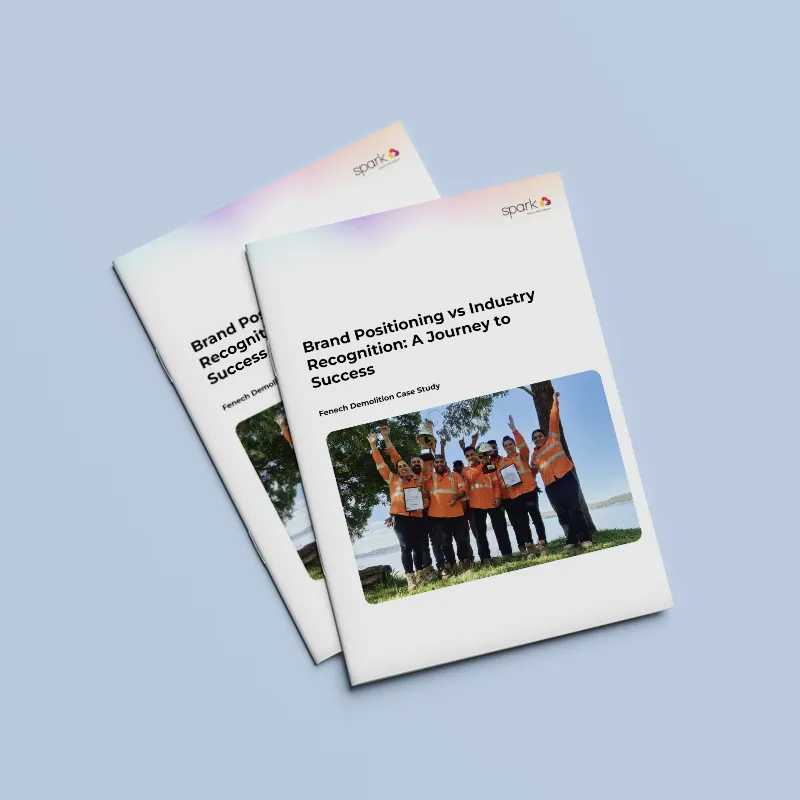
To illustrate the tangible benefits of rebranding in the context of a business sale, consider the case study titled “Brand Positioning or Industry Recognition: What Comes First?”. This study examines how a strategic rebranding initiative can reposition a company within its industry, thereby enhancing its appeal to potential buyers.
In this case, the company undertook a comprehensive rebranding effort that involved redefining its brand identity, aligning its messaging with current market trends, and revitalising its visual assets. The objective was to shift the company’s perception from a traditional player to an innovative leader in its sector.
The results were noteworthy. Post-rebranding, the company experienced increased industry recognition, which in turn led to a surge in client inquiries and partnerships. This elevated market position made the company a more attractive acquisition target, ultimately facilitating a successful sale at a premium valuation.
This case underscores the importance of proactive brand management. By investing in a thoughtful rebranding strategy, the company not only enhanced its market presence but also significantly increased its enterprise value.
The Psychological Edge
Buyers aren’t purely rational. They’re human. And just like customers, they make emotional judgements. A polished brand taps into that.
It conveys momentum. It reduces perceived risk. It says: this business is going places—even if you won’t be leading it.
Rebrand Now, Exit Stronger Later
For Tier 2 construction firms, the link between branding and acquisition readiness is even more direct. In our article on rebranding for Tier 2 construction firms, we explore how businesses in the infrastructure and civil sectors can elevate perceived value, reduce buyer hesitation, and align brand identity with long-term growth or exit strategies.
At Spark Interact, we view branding as an asset class of its own—one that compounds in value when aligned with business strategy.
If you’re even thinking about selling in the next 12–24 months, consider this: Is your brand helping or hurting your future exit?
If it’s not helping, it’s time to act.