

Your products might be amazing, but if your website is a mess, customers won’t stick around to find out. A clunky layout, slow load times, or confusing navigation can send buyers running. On the flip side, a sleek, user-friendly site keeps them engaged—and more importantly, gets them to checkout.
In this guide, we’re breaking down the do’s and don’ts of e-commerce web design, so you can build a store that’s smooth, seamless, and primed for sales.
The Make-or-Break of eCommerce Website Design
1. Nail the User Experience (UX)
A slick, easy-to-use site keeps shoppers buying—a clunky one sends them packing. UX is all about making the buying journey smooth—easy navigation, clear product displays, and a hassle-free checkout. Strong branding also plays a crucial role in creating a seamless user experience that captivates visitors and keeps them engaged. Get it right, and you’ll see more conversions.
Do
Test your site—real users will tell you what’s working (and what’s not).
Keep it clean and intuitive—make shopping effortless.
Stick to a consistent design—same fonts, buttons, and colours for a seamless feel.
Don't
Guess what users want—data beats assumptions every time.
Clutter the site—less is more when it comes to design.
Ignore accessibility—alt text and keyboard navigation matter.
2. Keep Navigation Effortless
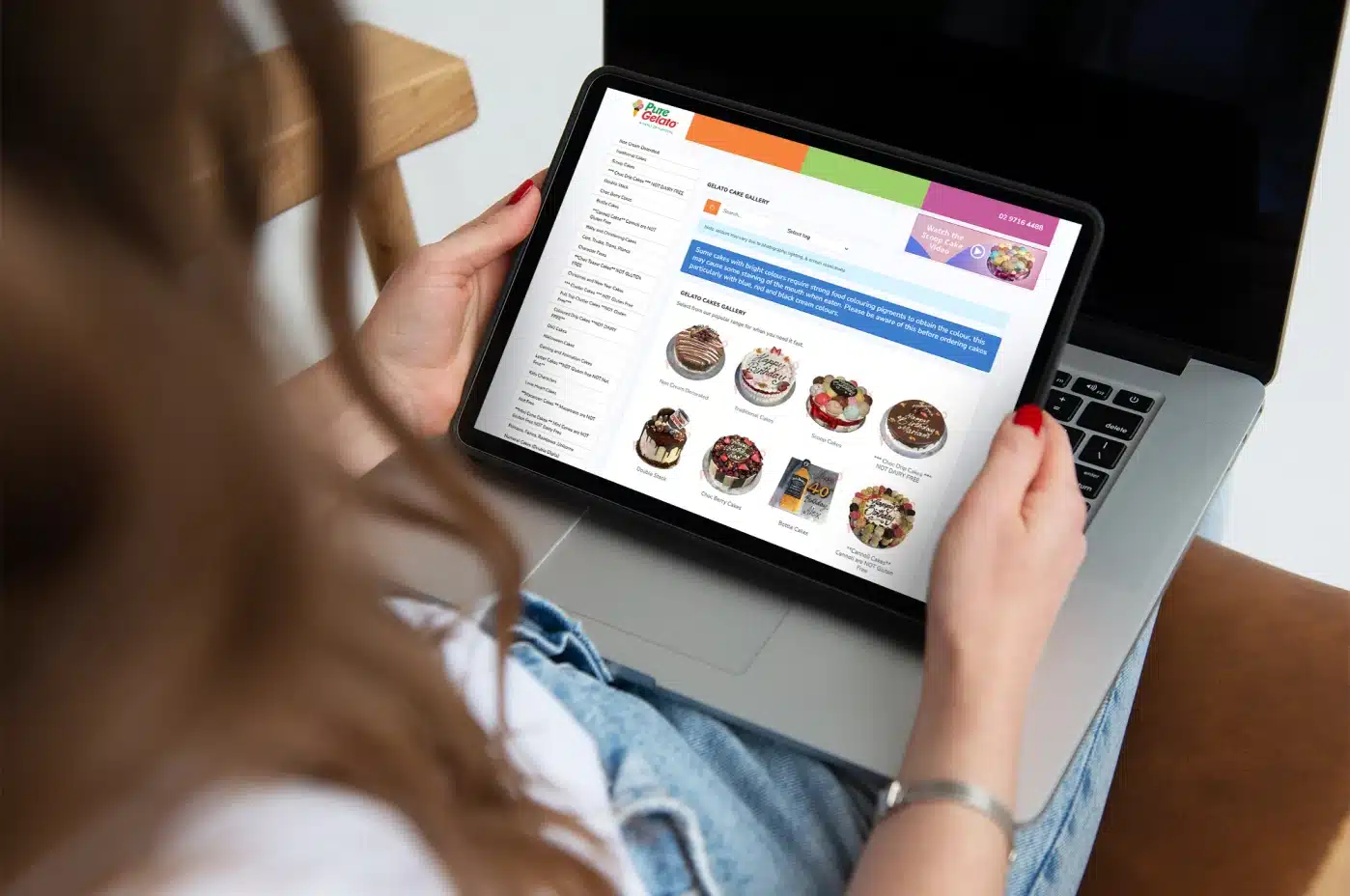
If customers can’t find what they need fast, they’ll leave. A good eCommerce website makes navigation smooth, intuitive, and frustration-free, guiding shoppers effortlessly to what they’re looking for.
Do
Keep menus clean and organised so products are easy to find.
Use clear, straightforward labels—no one should have to guess what a category means.
Include a powerful search function—use auto-suggestions and filters to speed up the process.
Don't
Cram too many options into the menu—it only creates confusion.
Use vague or jargon-heavy terms—this will make customers second-guess where to click.
Hide important links under layers of pages—keep them accessible.
Related article: 7 Steps to Hire the Right eCommerce Web Designer
3. Keep Web Design Sharp
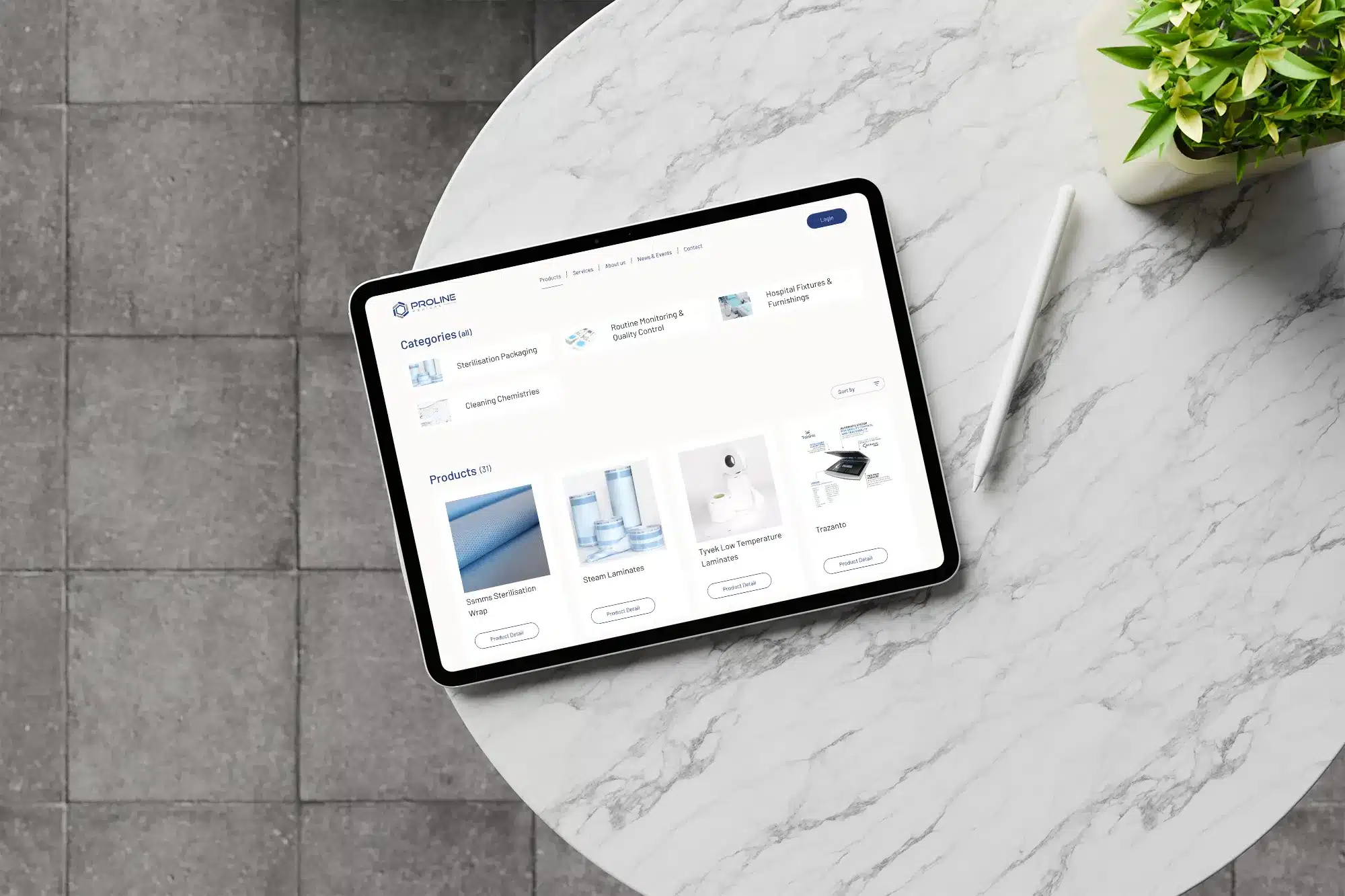
Your site’s look can make or break a sale. Clean layouts, crisp visuals, and responsive design are all features that an ecommerce CMS can help you implement to keep potential customers engaged and ready to buy.
Do
Use high-quality images and videos—sharp visuals build trust.
Keep branding consistent with fonts, colours, and styles that create a cohesive feel.
Ensure your site is fully responsive so it looks and works great on any device.
Don't
Upload blurry, low-quality images—they'll make your store look unprofessional.
Make pages too busy—don't overstuff with graphics, animations, or pop-ups that distract from shopping.
Overlook white space—cluttered designs overwhelm potential customers.
Related post: WooCommerce vs Shopify – Which is Best for Aussie Businesses?
4. Make Your Content Work Hard
Words sell. Sharp copy and clear product descriptions turn visitors into buyers. Every sentence should add value, build trust, and guide potential customers to checkout.
Do
Highlight product benefits, not just features—tell shoppers why it matters.
Keep descriptions easy to scan—use bullet points and clear headings.
Use storytelling—create an emotional connection and make products memorable.
Don't
Sound overly salesy—customers tune out pushy language.
Let typos slip through—errors make your site look unprofessional.
Copy-paste generic descriptions—stand out with unique, engaging copy.
5. Optimise for Mobile Shoppers
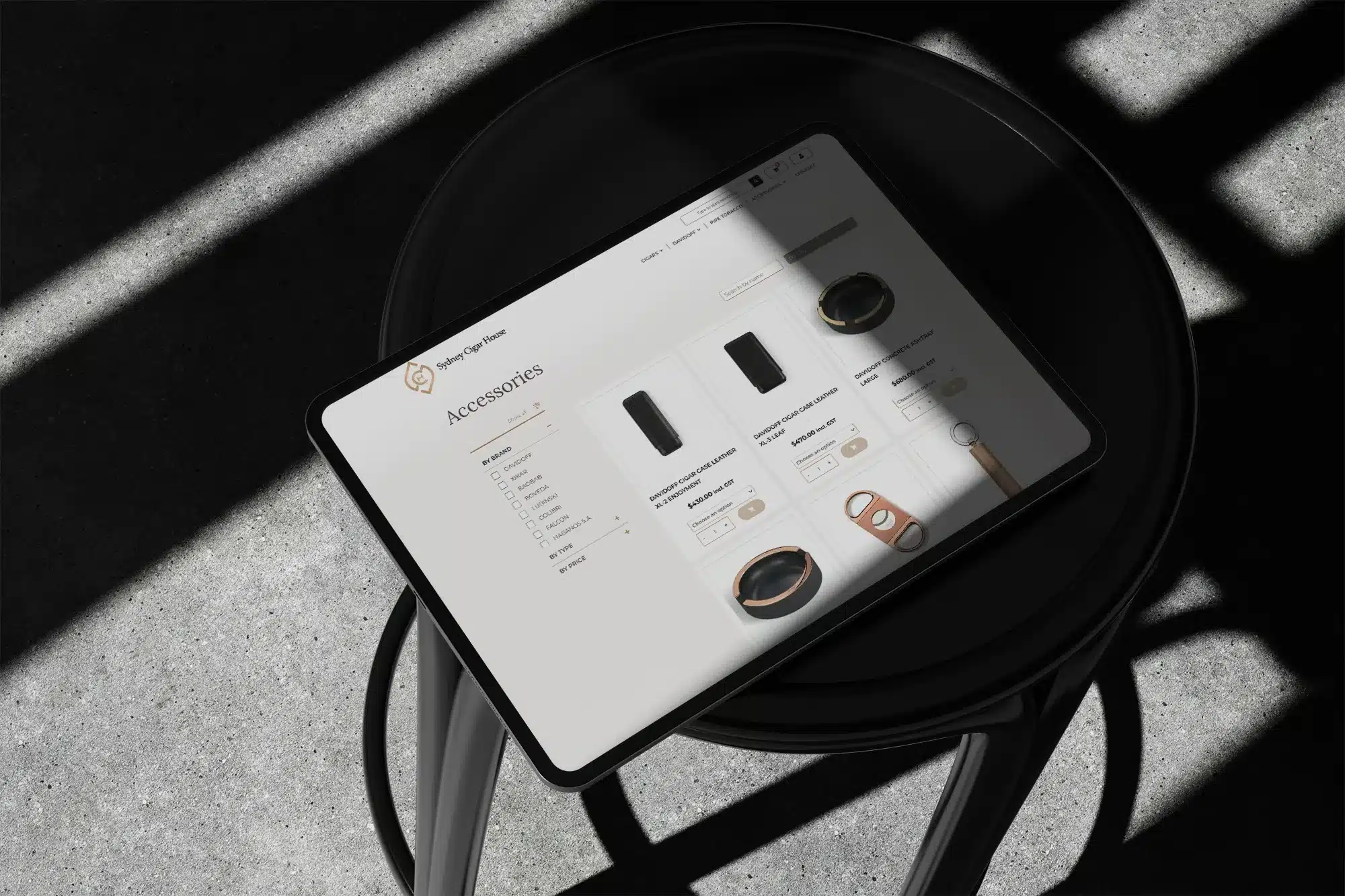
Most shoppers are on their phones—if your site isn’t mobile-friendly, you’re losing sales. A responsive, accessible design keeps the online shopping experience smooth for everyone. And if you’re considering expanding beyond a website, mobile app development could be the next step.
Do
Make your site fully responsive so it works flawlessly on any device.
Keep navigation simple—buttons, text, and navigation should be easy to tap and scroll on mobile.
Design for mobile—what looks great on a desktop might not work on a phone screen.
Don't
Ignore mobile users—most shoppers browse and buy on their phones.
Make people pinch and zoom—design should fit screens naturally.
Slow down pages—speed matters; avoid oversized images and clutter.
6. Speed Up Your Site and Checkout Process
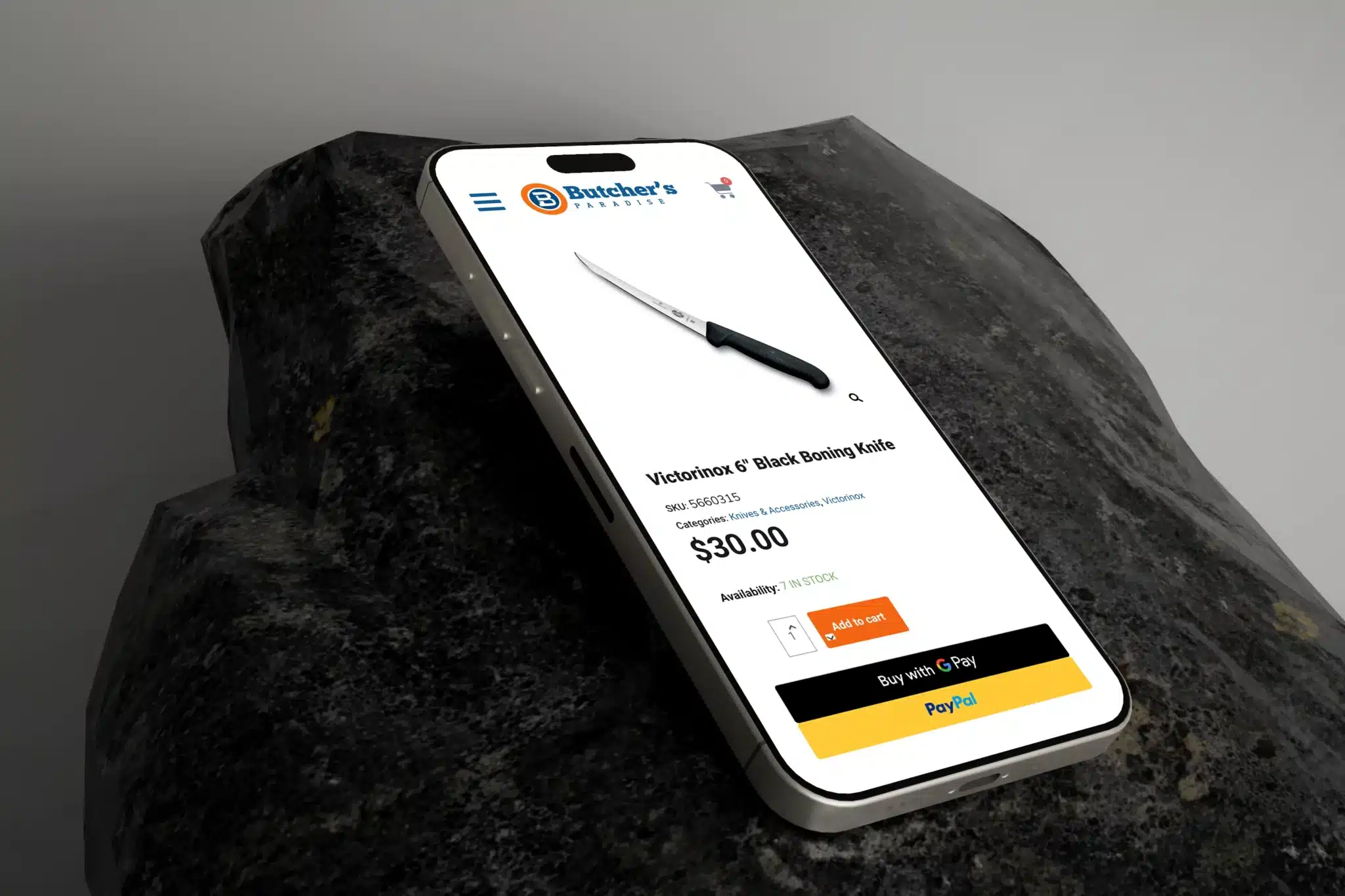
Online shoppers won’t wait—if your site drags, they’re gone. A fast, optimised website keeps the customer journey smooth and gets them from browsing to the shopping cart without frustration.
Do
Compress images and enable caching to speed up load times.
Minimise HTTP requests and streamline CSS and JavaScript.
Run regular performance audits to catch slowdowns before they hurt sales.
Don't
Overload your site with excessive plugins and third-party scripts.
Ignore speed tests—slow pages drive online shoppers away.
Delay loading key elements like product pages and checkout forms.
7. Secure Your Site, Earn Customer Trust
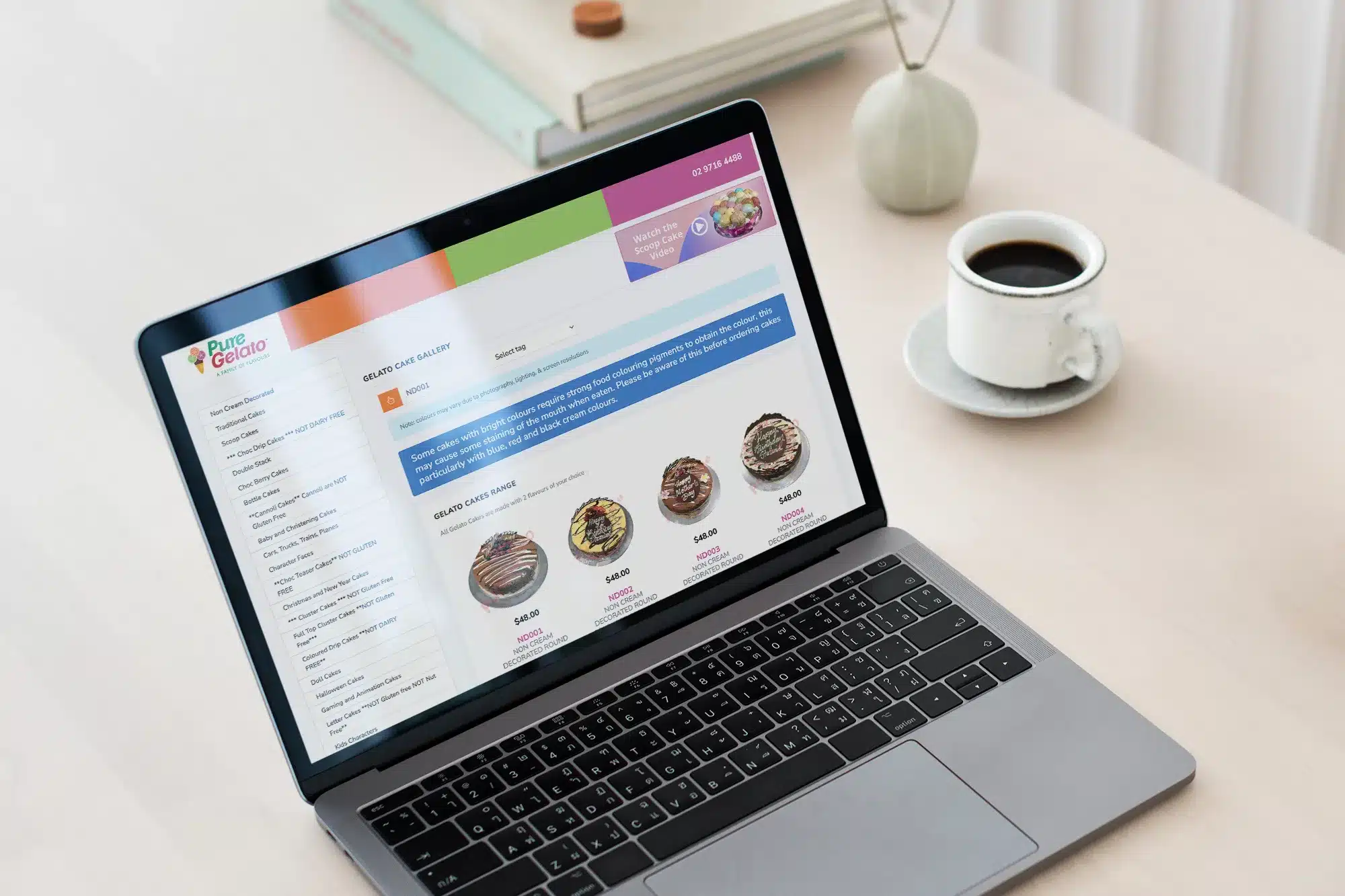
A successful ecommerce business thrives on trust. If website visitors don’t feel safe, they won’t stick around—let alone make a purchase. Strong security and transparency build confidence and keep your website and app credible.
Do
Use HTTPS encryption to safeguard customer data.
Show social proof—display trust badges and genuine customer reviews.
Offer secure payment options like PayPal, Stripe, and Afterpay.
Don't
Skip security updates or delay software patches.
Manipulate reviews or misrepresent product ratings.
Hide return and refund policies—clear terms build trust.

Related article: Australian Ecommerce Statistics
When to Bring in the Pros
Even with a solid ecommerce strategy, things can go sideways. A slow site, clunky checkout, or outdated design can cost you sales—and fixing these issues isn’t always a quick DIY job. That’s where a web design agency comes in.
These are clear signs it’s time to bring in experts:
Traffic is high, but sales aren’t.
If visitors aren’t converting, experts can analyse your site and optimise the customer journey.
Your design looks outdated.
A fresh, modern look builds trust. A web design agency ensures your site stays competitive.
SEO, security, and updates feel overwhelming.
Staying on top of digital marketing trends, security patches, and performance updates takes time—professionals handle it for you.
Mobile shoppers aren’t sticking around.
A frustrating mobile experience means lost revenue. Experts ensure seamless performance across all devices.
You’re scaling up and need a site that grows with you.
More traffic, more products, more complexity—an agency helps you build a site that keeps up.
Quality Pages, Quality Sales
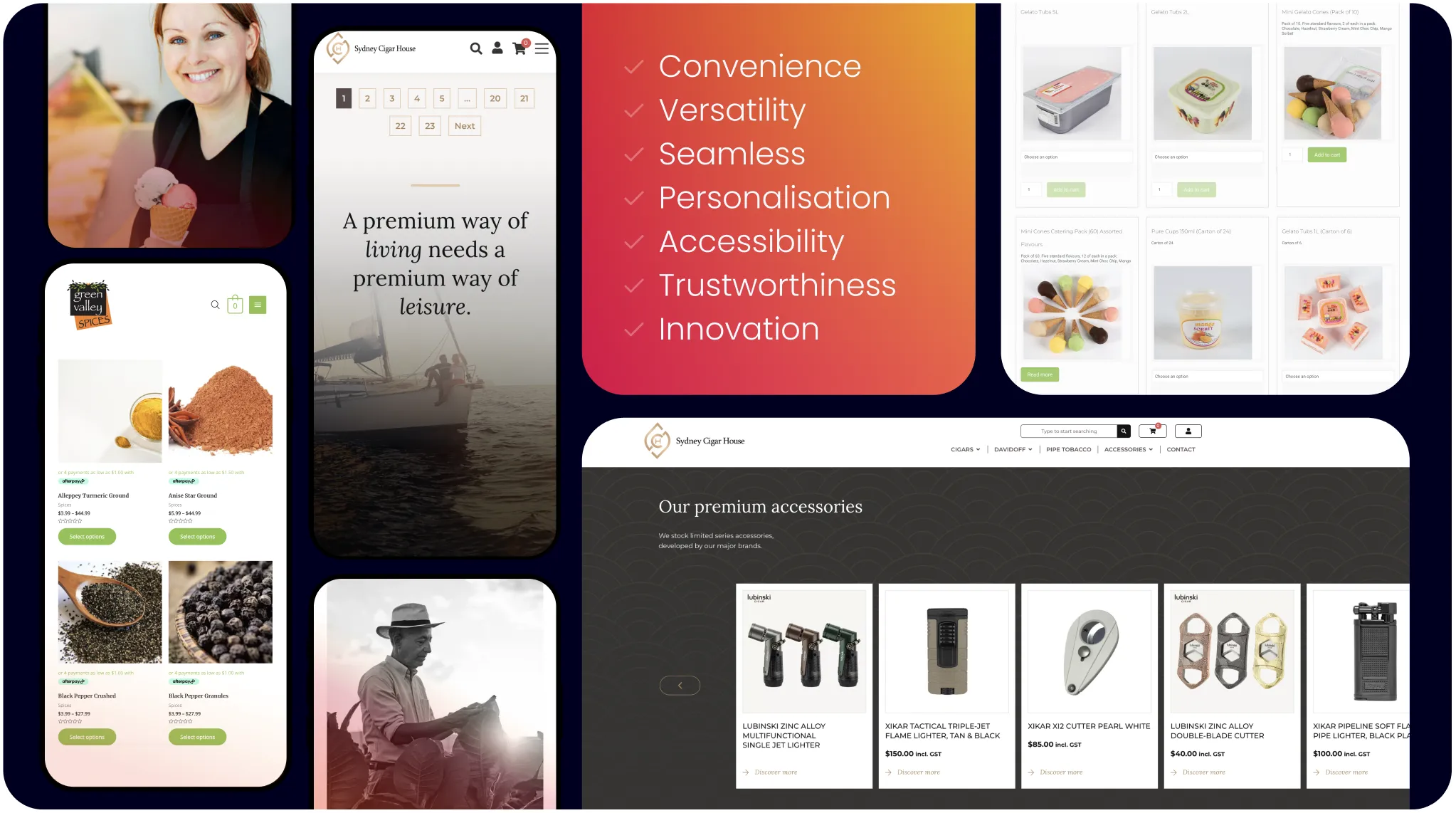
Every click, scroll, and second spent on your eCommerce site can mean the difference between a sale and an abandoned cart. Well-crafted pages not only build trust but keep shoppers engaged and drive real results.
When considering improvements or launching a new website, e-commerce web design cost is an important factor to assess. Investing in quality design ensures smooth functionality and an engaging user experience without breaking the bank. Whether you’re just starting or looking to upgrade, balancing cost with performance is key to making your effective eCommerce website design work harder for you.
Get it right from the start—or fix what’s not working. Contact Spark today for optimising designs tailored to your budget!