 ChatGPT
 Claude
 Perplexity
 Gemini
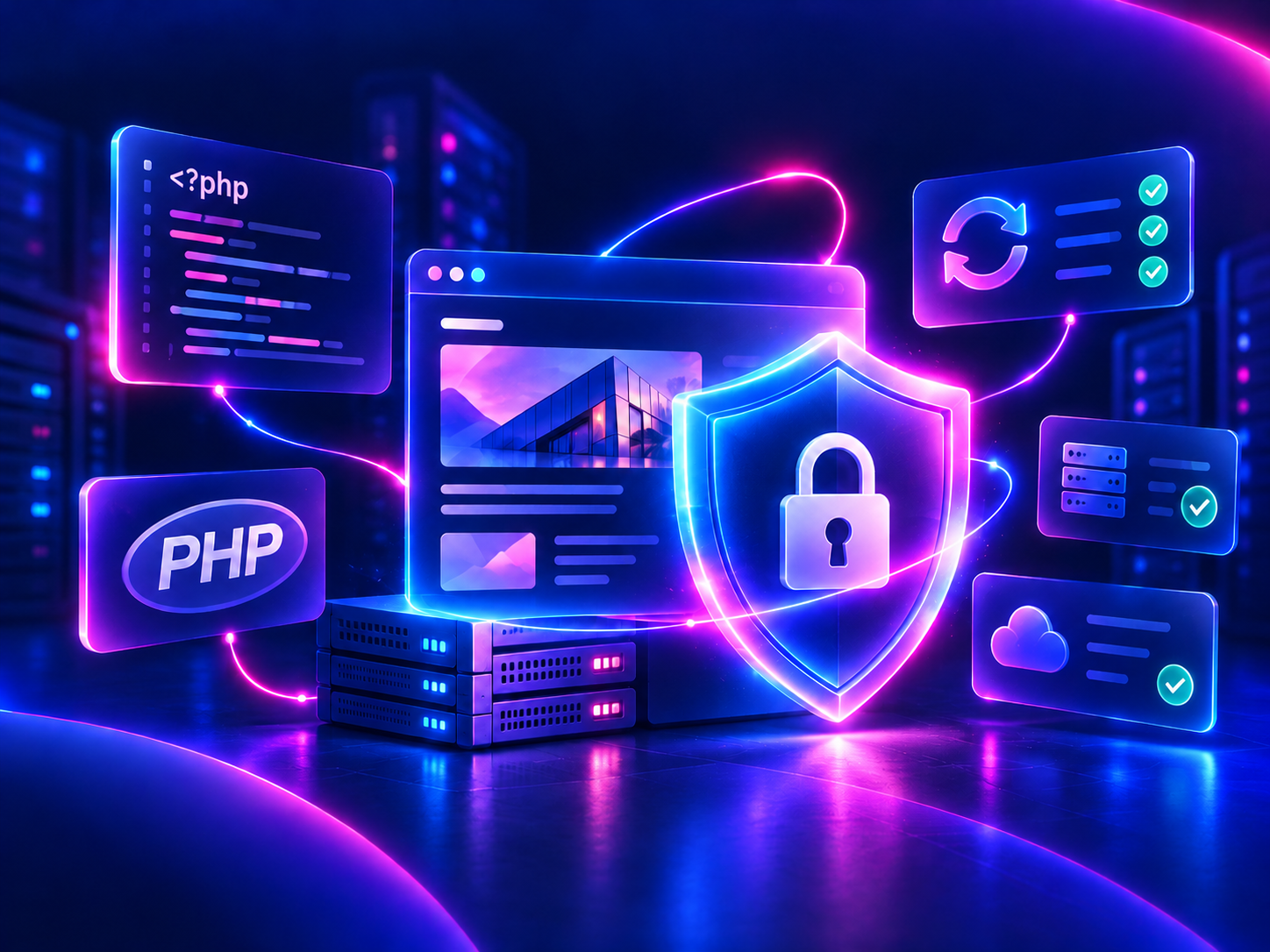
Two critical vulnerabilities affecting PHP, one of the most widely used programming languages behind business websites, have prompted urgent security updates worldwide.
Known collectively as PHP2Shell, the vulnerabilities could allow attackers to gain unauthorised access to vulnerable web servers, potentially exposing website data, disrupting operations and compromising connected systems.
Emergency security patches were released on 21 October 2026 (22 October AEDT). Security researchers also reported active attempts to exploit both vulnerabilities, highlighting the urgency of keeping website infrastructure up to date and responding promptly to emerging threats.
For businesses, the incident raises an important consideration: maintaining a secure website requires more than keeping its visible content and features updated.
What happened with PHP2Shell?
PHP2Shell refers to two critical PHP vulnerabilities identified as CVE-2026-109618 and CVE-2026-109619.
PHP is a server-side programming language used by popular content management systems and web applications, including WordPress, Drupal, Joomla and Magento. It processes requests and supports functionality such as contact forms, customer accounts and dynamic website content.
The vulnerabilities were particularly concerning because they could potentially allow attackers to execute malicious code on affected servers without authentication.
Depending on the server environment and access permissions, a successful attack could lead to unauthorised access, malware installation, exposure of sensitive information or website disruption.
The PHP development team released security updates for PHP 8.5, 8.4, 8.3 and 8.2, with fixes available in versions 8.5.12, 8.4.27, 8.3.36 and 8.2.35 respectively. Website owners and hosting providers were advised to apply the appropriate patches promptly, particularly for publicly accessible websites running affected PHP versions.
While the vulnerabilities have received widespread attention, their disclosure does not mean that every PHP-based website has been compromised. The actual risk depends on the software running on the server, its patch status and the wider hosting environment.
Why website security is a business concern
A website is often one of the first points of contact between a business and its customers. It may also support daily operations through online enquiries, bookings, payments and integrations with other business systems.
When a security issue affects the underlying website infrastructure, the consequences can extend well beyond the website itself.
Potential business impacts include:
- Operational disruption: Website downtime can interrupt enquiries, bookings, sales and access to essential online services.
- Data exposure: A successful compromise could put customer information, business records or other sensitive data at risk.
- Financial consequences: Security incidents may result in lost revenue, recovery expenses and additional technical support requirements.
- Reputational damage: Customers may lose confidence in a business following a significant website security incident.
- Compliance obligations: An eligible data breach may trigger notification requirements under Australia’s Privacy Act 1988 and the Notifiable Data Breaches scheme, depending on the organisation, information involved and circumstances of the incident.
These risks are not unique to PHP2Shell. They demonstrate why website security needs to be considered as part of broader business continuity and risk management.
Why an updated website can still have security vulnerabilities
One important lesson from PHP2Shell is that website security extends beyond the content management system.
For example, a WordPress website can have the latest version of WordPress installed, with every plugin and theme updated, while still running on an outdated PHP environment.
That’s because websites rely on several interconnected technologies, each with its own security requirements.
These typically include:
- Content management systems: Platforms such as WordPress that manage website content and functionality.
- Plugins and themes: Additional software that provides design features, integrations and specialised functionality.
- Server-side software: Technologies such as PHP that process website requests and support dynamic features.
- Hosting infrastructure: The environment responsible for running and delivering the website.
- Databases and integrations: Systems that store information and connect the website with other business applications.
A vulnerability in any of these components can create potential security exposure, even when the website appears to be functioning normally.
The risk is particularly relevant for Australian businesses. In July 2026, the Australian Cyber Security Centre warned of a large-scale campaign targeting website content management systems, with numerous Australian small and medium businesses affected. Although separate from PHP2Shell, the campaign demonstrates how vulnerabilities in widely used website technologies can expose businesses to serious security threats.
PHP2Shell illustrates this distinction. The vulnerabilities affect PHP itself, so keeping WordPress and its plugins updated does not automatically resolve the issue.
Websites running PHP 8.1 or older face an additional challenge. These versions no longer receive official PHP security releases, making an upgrade to a supported version the recommended long-term solution. Some hosting providers and Linux distributions may supply backported security fixes, but their availability and installation must be confirmed separately.
How Spark Interact responded to PHP2Shell
Following the PHP2Shell security alerts, Spark Interact took proactive steps to inform clients and assess potential exposure across the websites under our management.
We contacted clients to provide an update on the vulnerabilities and explain that our team was reviewing the situation. Our developers also began checking managed websites and their hosting environments to determine whether security updates or further action were required.
These assessments are being conducted with consideration for each website’s technical setup, as the appropriate response can vary depending on the PHP version, hosting arrangements and existing security measures.
By combining timely client communication with technical reviews, our team aims to address emerging security concerns while keeping clients informed about matters that could affect their websites.
Building website security into ongoing maintenance
Critical vulnerabilities can emerge with little warning. While it is not possible to prevent every new security issue from being discovered, businesses can reduce their exposure by maintaining their websites consistently.
An effective website maintenance strategy should cover several areas.
Regular software updates
Keeping website software current helps address known vulnerabilities and maintain compatibility with supported technologies.
This includes updating the content management system, plugins, themes and relevant server-side components.
Updates should also be assessed for compatibility, particularly where websites rely on custom functionality or third-party integrations.
Security monitoring and vulnerability awareness
Regularly reviewing security advisories helps identify newly disclosed threats and determine whether they are relevant to a website’s configuration.
Monitoring can also help detect suspicious activity, unexpected changes and other indicators that may require investigation.
Reliable backups and recovery planning
Website backups provide an important recovery option if a software update causes problems or an incident affects website files or data.
Backups should be maintained securely and tested periodically to confirm they can be restored when needed.
Hosting and infrastructure management
Website owners should understand which security responsibilities sit with their development team and which are managed by their hosting provider.
For vulnerabilities such as PHP2Shell, coordinating with hosting providers may be essential because server-level patches are not always accessible through the website’s administration dashboard.
Ongoing website testing
Security updates must be balanced with website functionality.
After significant software changes, essential features such as contact forms, booking systems, ecommerce transactions and third-party integrations should be checked to confirm they continue working as expected.
Together, these measures establish a more consistent approach to website security, reducing reliance on reactive fixes when major vulnerabilities become public.
What should businesses do following PHP2Shell?
Businesses operating PHP-based websites should confirm that their website’s server environment has received the appropriate security updates.
If your business works with a website developer, maintenance provider or hosting company, start by checking who is responsible for managing PHP and server-level software.
The key actions are to:
- Confirm your website’s PHP security status. Ask your hosting or technical support provider whether the PHP2Shell vulnerabilities have been addressed.
- Arrange any required updates. Ensure the appropriate patches are installed, including vendor-provided security fixes where applicable.
- Check important website functionality. Confirm that essential features continue operating correctly following changes.
- Review your ongoing maintenance arrangements. Establish clear responsibilities for updates, monitoring, backups and future security issues.
For businesses without dedicated technical support, working with an experienced website maintenance team can help ensure these responsibilities are properly managed.
Keeping business websites secure and reliable
PHP2Shell demonstrates how vulnerabilities in widely used software can create immediate challenges for businesses, regardless of their website’s size or complexity.
The incident also reinforces the importance of understanding the technologies behind a website and maintaining clear processes for security updates, technical reviews and communication.
At Spark Interact, website support extends beyond development and launch. We work with businesses to maintain their websites, manage updates and address technical issues that can affect security, performance and reliability.
If you’re unsure about your website’s current security status or need support with ongoing website maintenance, our team can help assess your requirements and recommend appropriate next steps.
References
- PHP official website
- PHP2Shell vulnerability information – National Cyber Security Centre Netherlands
- Critical vulnerabilities in PHP (PHP2Shell) – NHS England
- PHP2Shell vulnerability fixes available – Ubuntu
- watchTowr – PHP Remote Code Execution (PHP2Shell)
- Australian Cyber Security Centre – Large-scale exploitation campaign targeting website content management systems
.